Spiritual Sites
Sheetla Mata Mandir
The city's most important temple, dedicated to the goddess after whom Gurgaon-Gurugram was once informally called Sheetla-gram.
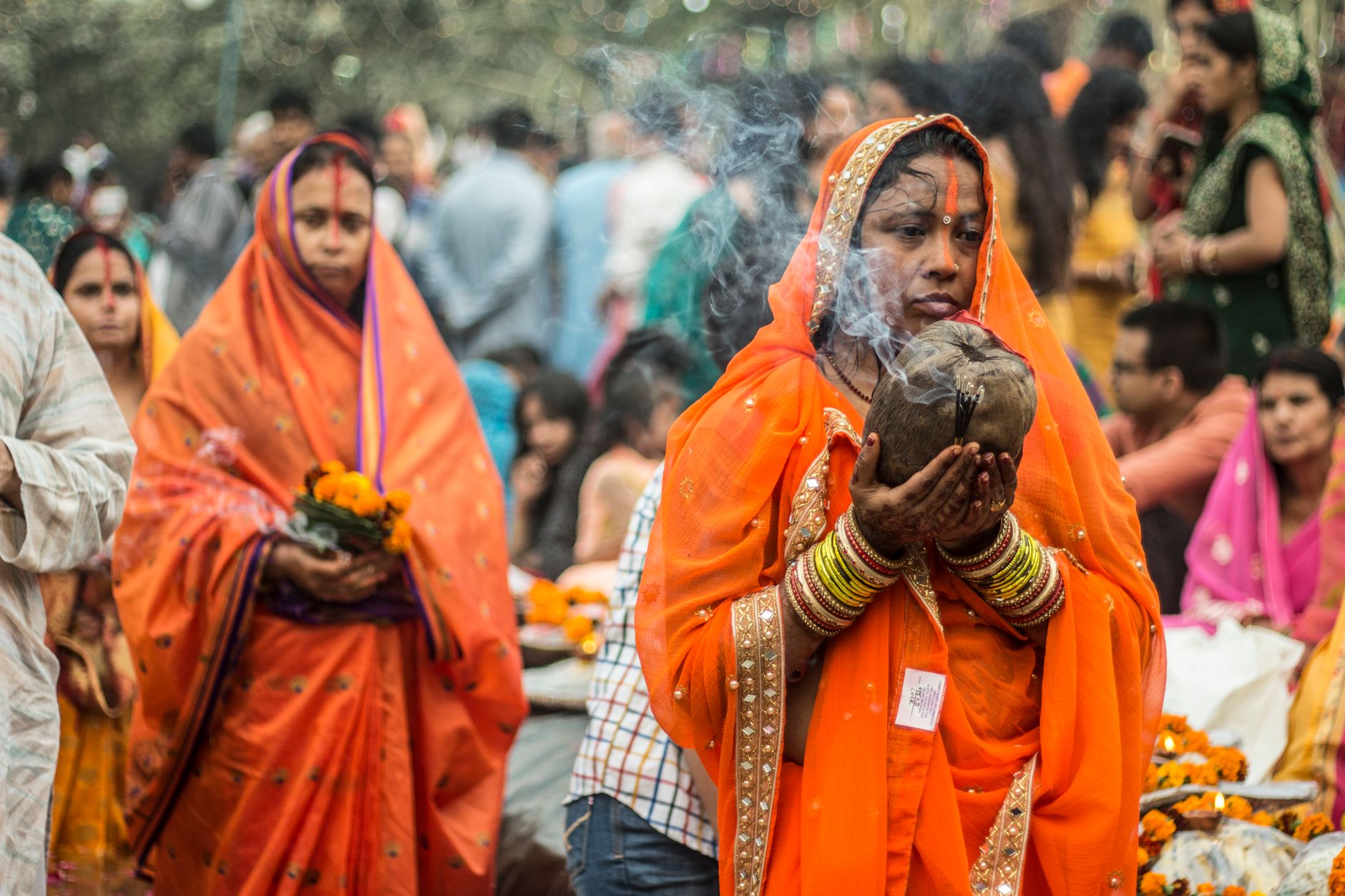
Sheetla Mata is the presiding deity of Gurugram and this temple, five kilometres west of the city centre, is her main shrine. The complex draws two to three million pilgrims a year, spiking during Navratri and the annual Sheetla Ashtami fair in March-April when the surrounding fields turn into a tented town. For a visitor it is an unfiltered view of religious life outside the mall-and-tower Gurugram most business travellers see.
The temple compound is more institution than monument — the main sanctum is small and inconspicuous, wrapped by a queue-managing corridor that funnels devotees past the idol in under a minute during peak hours. Around it are subsidiary shrines to Hanuman and Bhairon, a large parikrama walkway, a langar hall serving free food to pilgrims, and an educational trust running a school and hospital on the same land. A shoe stand at the entrance holds footwear for ₹5.
Visit on a weekday morning between 6 and 9am for the calmest experience — the priests are doing the day's first aartis and queues are short. Tuesdays and Saturdays are busy; the Ashtami fair week is best avoided unless you are specifically there for it. Dress modestly (covered shoulders and knees), leave cameras at the entrance (photography inside the sanctum is not permitted), and carry a small amount of cash for the offering plate. Free langar lunch is available around 12:30pm.
The sequence of a visit is fixed and worth knowing before you arrive, because nobody will explain it to you. You leave shoes at the stand just inside the gate, buy a prasad basket from one of the dozen stalls lining the approach lane — coconut, red chunri cloth, marigolds, batasha sugar drops, usually ₹50 to ₹150 depending on how loaded the basket is — then join the corridor. Baskets are handed over the barrier to a priest who returns the coconut halved and the cloth blessed. Do not buy the largest basket on offer; the goddess gets the same acknowledgement either way and the stallholders know a first-timer. Past the sanctum the corridor spills onto the parikrama, an unhurried anticlockwise loop that most visitors actually enjoy more than the darshan itself.
Beyond the parikrama the compound behaves like a small campus rather than a temple. The Shree Mata Sheetla Devi Shrine Board runs it, and the same trust land carries a school and a hospital serving the surrounding villages — Gurugram village proper, and the old settlements of Basai and Dhankot to the west. There is a hall for mundan ceremonies, where infants get their first haircut, busiest on Monday and Tuesday mornings and easily the most photogenic thing here if you keep the camera outside. There is a broad open forecourt where families sit on the paving for an hour after darshan, and behind it the langar hall. Skip the row of trinket kiosks at the exit selling plastic dashboard idols; the same items are cheaper in Sadar Bazaar in old Gurugram.
Getting there is straightforward but nobody walks it. From Huda City Centre metro on the Yellow Line, an auto to the temple runs about ₹100 and takes fifteen minutes via Sohna Road and the Old Railway Road, longer between 9 and 11am when Old Gurugram traffic knots. From Iffco Chowk or MG Road metro reckon ₹120 to ₹150 by auto, or ₹200 to ₹300 by Uber or Ola from anywhere in DLF Cyber City and Udyog Vihar. Drivers know it as Sheetla Mata Mandir or simply Mata Mandir; both work. Coming by car, the approach is off the Gurgaon-Pataudi road near Gurgaon village and there is free unsurfaced parking in the fields west of the compound — full by 8am on Tuesdays. Autos wait at the gate for the return, so you do not need to hold one.
The costs are almost nothing and that is the point. Entry is free at every hour of every day, shoe storage is ₹5 a pair, and the offering plate takes whatever you put in it. A prasad basket is ₹50 to ₹150 outside the gate. The paid VIP darshan window is ₹101 and is the only genuine ticket tier — worth it on a Tuesday or during Navratri when the general queue can run forty minutes, pointless on a Wednesday morning when there is no queue to jump. Langar is free and no donation is solicited at the hall. Budget ₹400 to ₹600 all-in from a Golf Course Road hotel including the round-trip auto, prasad and a ₹51 offering, and you will have change. There is no entry fee for cameras because cameras are not permitted in the sanctum at all.
Timing matters more here than at any other Gurugram sight. Doors open at 4am and the first aarti crowd thins by 6; between 6 and 9am on a Wednesday, Thursday or Friday you will walk straight to the idol. Tuesdays and Saturdays are the goddess days and queues form from dawn. Navratri, twice yearly in spring and autumn, multiplies everything for nine days. Sheetla Ashtami, a week after Holi in March or April, is the one occasion when the fields around the temple fill with tents, cycle-rickshaw processions and food stalls for several days — magnificent to witness, impossible to visit casually. October to March is the comfortable season; May and June are brutal on bare feet across sun-baked stone paving, so if you must come in summer, come before 7am.
It suits anyone curious about how a north Indian shrine actually functions day to day, and it suits a spare hour before an afternoon flight from Delhi airport, which is thirty-five to forty-five minutes away by taxi on the Dwarka Expressway. It suits families — children are welcome everywhere and the forecourt absorbs them. It suits wheelchair users only partly: the main forecourt and parikrama are flat and paved, but the queue corridor is narrow and stepped in places and the crowd will not part for you, so come at 6am or not at all. Skip it if you want architecture; this is a working shrine repeatedly rebuilt, not a monument, and visitors expecting carved stone will be disappointed inside a minute. Skip it also on a rainy afternoon, when the unpaved surrounds turn to mud.
Fold it into old Gurugram rather than treating it as a standalone trip. Sadar Bazaar, ten minutes back east by auto, is the pre-mall commercial heart of the city — cloth, spices, sweet shops, and a real breakfast of chole bhature for under ₹100. The Shitla Mata Medical College area and the old Railway Road run into the same grid. Bhim Kund at Pehowa-style pilgrimage scale it is not, but the small Shiv Mandir sites scattered through Gurgaon village are five minutes away on foot if a priest points you at one. For a full half-day, pair the temple with Sultanpur National Park, twenty-five minutes further west along the Gurgaon-Farrukhnagar road, which is at its best November to February for migratory birds.
The honest caveats: the darshan itself lasts seconds and no amount of queuing changes that, so anyone imagining a contemplative interior should recalibrate. Touts near the parking will offer to walk you to the front for ₹200 to ₹500 — the official ₹101 VIP window does the same thing legitimately, so refuse them. The compound is loud, and during Navratri the loudspeakers are relentless. Photography rules are enforced inconsistently by volunteers rather than signage, which means someone may tell you off in the forecourt even though phones are common there; keep yours pocketed near the sanctum. And the shoe stand issues a token you genuinely need, so do not lose it. Come for the crowd, the langar and the parikrama, not for the building.
Hours & entry
Free entry all day
Mon-Sun 4:00-22:00
What to see
{'what': 'The main sanctum of Sheetla Mata', 'where': 'Central shrine at the end of the queue corridor'}
{'what': 'Hanuman shrine and parikrama walk', 'where': 'South-east corner of the compound'}
{'what': 'Langar hall serving free food to pilgrims', 'where': 'Rear of the compound behind the main shrine'}
Tips from the ground
Weekday mornings before 9am mean no queue at all.
Avoid Tuesdays, Saturdays and the Ashtami fair week unless you want the crowds.
There is a paid VIP darshan window (₹101) that cuts the queue on busy days.
Good to know
Questions, answered
Is there an entry fee?
No, entry is free; only the optional VIP darshan is ₹101. Shoe storage at the stand inside the gate costs ₹5 a pair, and a prasad basket from the stalls on the approach lane runs ₹50 to ₹150 depending on size. The offering plate takes whatever you choose. Langar lunch is free and nobody asks for money at the hall. Ignore anyone in the parking area offering to shortcut the queue for ₹200 or more — the ₹101 window at the entrance does that officially.
When is it least crowded?
Weekday mornings between 6am and 9am. Wednesday, Thursday and Friday are quietest; the doors open at 4am, the first aarti crowd clears by around 6, and you can reach the idol without queuing at all. Tuesdays and Saturdays are the goddess days and queues form before dawn. Navratri, twice a year, and the Sheetla Ashtami fair a week after Holi in March or April are the two periods when the corridor can take forty minutes or more.
How much time do I need?
One hour is enough for the main shrine and parikrama. The darshan itself takes under a minute at the barrier; the parikrama loop, the Hanuman and Bhairon shrines and a sit in the forecourt fill the rest. Add twenty minutes if you stay for langar at around 12:30pm, and another twenty if you browse the prasad and cloth stalls on the approach lane. On a Tuesday or during Navratri, budget ninety minutes to two hours for queuing alone.
Are there closed days?
Never closed — open every day, though hours reduce slightly in monsoon. The published window is 4am to 10pm, with the sanctum curtain drawn for short periods during the day's aartis and for a midday break; if you arrive to find the corridor stalled, that is usually why and it lasts minutes rather than hours. Wet monsoon weeks are the one time to reconsider, because the unpaved parking and surrounds turn to mud and you will be walking it barefoot.
Do I need to book?
No booking. Just arrive and join the queue. There is no ticket counter, no online slot system and no advance registration for any part of the complex, including langar. The only decision at the gate is whether to pay ₹101 for the VIP darshan window, which is worth it on a Tuesday, a Saturday or during Navratri and a waste on a quiet weekday morning when the general corridor is empty. Mundan ceremonies are arranged directly with the priests on the day.
How do I get there?
Huda City Centre metro plus a fifteen-minute auto (₹100), or direct taxi from any Cyber City hotel. From Iffco Chowk or MG Road metro an auto is ₹120 to ₹150; an Uber or Ola from DLF Cyber City or Udyog Vihar runs ₹200 to ₹300 and takes twenty-five to thirty-five minutes depending on Old Gurugram traffic. Drivers recognise both Sheetla Mata Mandir and simply Mata Mandir. Free unsurfaced parking sits in the fields west of the compound, full by 8am on Tuesdays. Autos wait at the gate for the return trip.
Doing good is the business: every booking through Stay Gurugram funds one verified tonne of carbon removal — same room, same price, no markup.
Start your search